
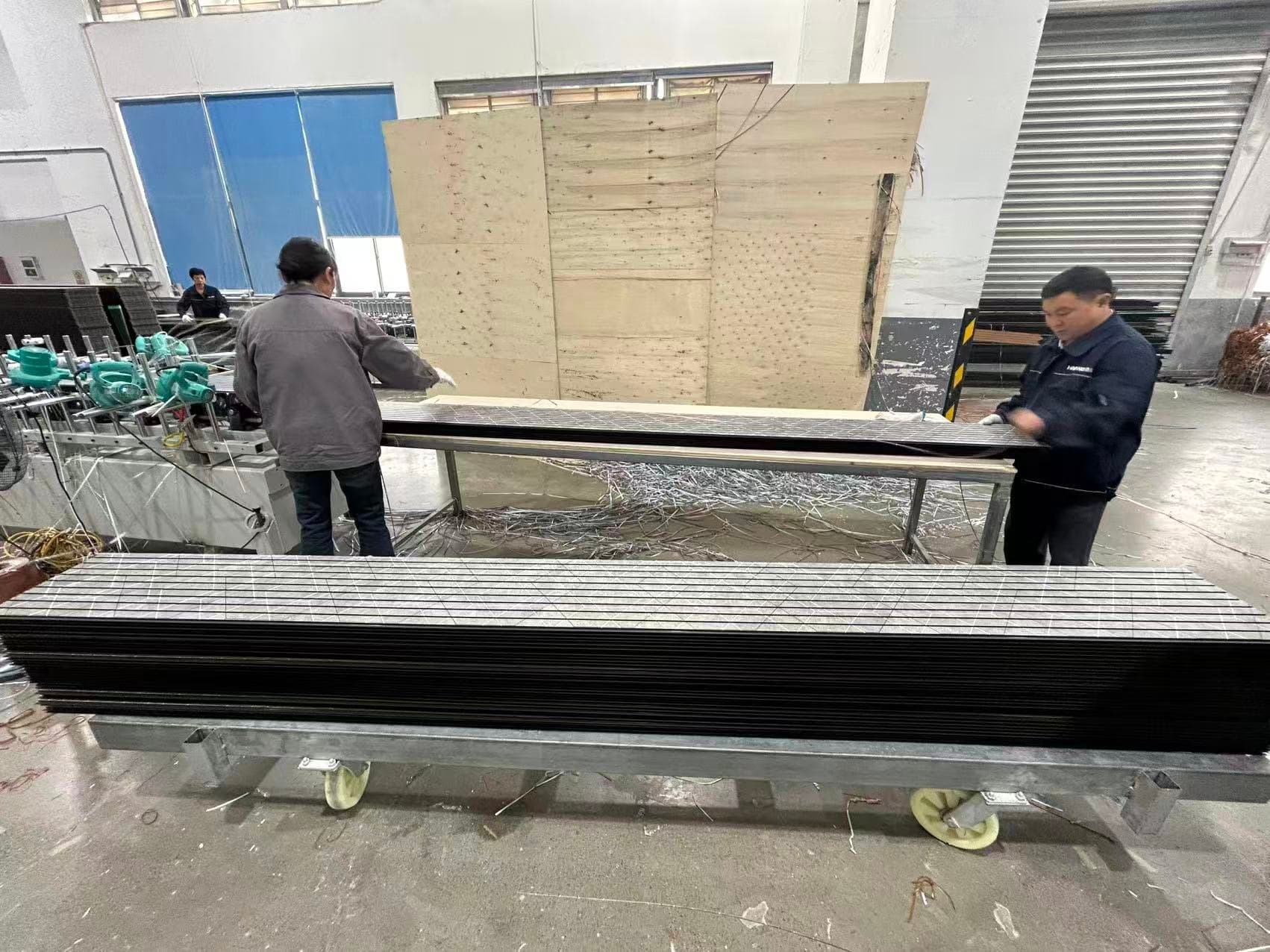
WPC flooring is a wood-plastic composite material used in interior applications. This guide separates the general product definition from the specifications that must be confirmed for each order.
The terms below are confirmed starting points. The quotation, availability and approved sample govern each order.
1. Definition: what is WPC flooring?
WPC flooring (wood-plastic composite) is a material made by combining wood fiber with plastic, typically PVC or polyethylene. The result is a product that is more rigid than traditional vinyl and has better water resistance than conventional laminate.
Unlike SPC, which contains stone powder instead of wood fiber, WPC retains a core with cellulosic content that gives it a more natural feel and reduces the weight per square meter.
2. Composition and manufacturing
WPC flooring is produced by extruding a blend of wood fiber and plastic with additives for stability, UV resistance and fire retardation. The wood fiber ratio ranges from 30% to 60% depending on the profile and manufacturer.
The surface wear layer protects the printed design and determines the AC durability rating. The click-lock system allows glueless installation over most substrates.
- Wood fiber: 30-60% of core content
- Plastic: PVC or polyethylene (PE)
- Additives: UV stabilizers, fire retardants, pigments
- Wear layer: 0.3 mm to 0.5 mm depending on AC rating
- Installation system: glueless click-lock
3. WPC vs SPC vs LVT: key differences
WPC, SPC and LVT are three rigid flooring categories that are frequently confused. The main difference is in the core material:
WPC has a wood-plastic core, SPC has a stone-plastic core, and LVT is flexible vinyl without a rigid core. This difference affects weight, rigidity, acoustic insulation and price.
- WPC: wood-plastic core → lighter, better acoustic insulation
- SPC: stone-plastic core → more rigid, denser, better for high traffic
- LVT: flexible vinyl → no rigid core, requires flatter subfloor
- WPC and SPC use click-lock; LVT can be click or glue-down
4. Confirmed advantages
WPC flooring offers a set of practical advantages for B2B buyers supplying residential and medium-traffic commercial markets.
- Water-resistant: suitable for kitchens, bathrooms and basements
- Glueless installation: floating click-lock over existing subfloor
- Acoustic insulation: wood core reduces impact noise
- Warmer feel than SPC due to cellulosic content
- Removable: individual planks can be replaced
5. Limitations to confirm
WPC flooring has limitations that should be clearly communicated to the end buyer to prevent incorrect expectations.
- Indoor use: not designed for exterior application
- Traffic: AC3-AC4 rating; not recommended for high-traffic commercial
- Subfloor: requires reasonably flat surface (3 mm tolerance over 2 m)
- Sun exposure: verify UV resistance for target market
- Temperature: avoid installation in areas with extreme variations
6. Buying checklist for importers
Before requesting a WPC flooring quotation, confirm the following points so the commercial response can be specific and arrive within one business day.
- Core thickness and wear layer (AC3 or AC4)
- Color or visual design reference
- Click system required (UNILIN or VALINGE)
- Quantity per design and color (MOQ: 100 pieces)
- Preferred packing (box or pallet)
- Destination country and port
- Free sample request