
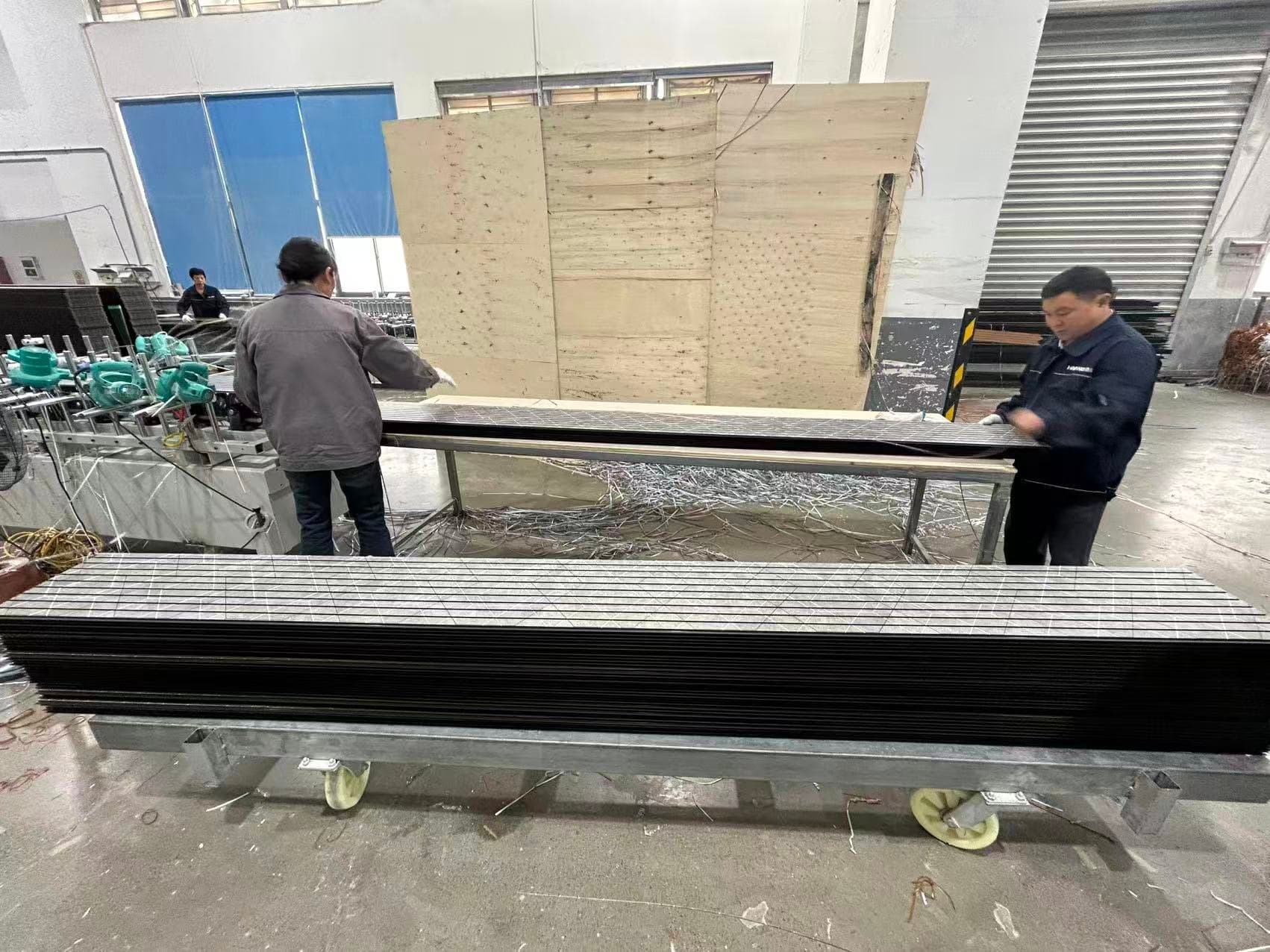
A PVC wall panel is an interior cladding material extruded from polyvinyl chloride. This guide separates the general product definition from the specifications that must be confirmed for each order.
The terms below are confirmed starting points. The quotation, availability and approved sample govern each order.
1. Definition: what is a PVC wall panel?
A PVC wall panel is an extruded sheet of polyvinyl chloride designed to cover interior walls. Unlike the PVC ceiling panel —which is installed overhead—, the wall panel is applied vertically on wall surfaces.
The material is fastened with adhesive, screws or mounting tracks, and joints are finished with trim profiles. The result is a smooth, waterproof, easy-to-clean surface that replaces tiles and paint in kitchens, bathrooms and commercial areas.
2. PVC wall panel vs PVC ceiling panel
Although both products are made from the same rigid PVC compound, there are functional differences that affect installation and performance:
The ceiling panel is installed horizontally with a tongue-and-groove system that conceals fasteners. The wall panel is installed vertically and may use adhesive or mounting tracks, depending on the profile and thickness.
- Orientation: ceiling = horizontal; wall = vertical
- Installation: ceiling = concealed screws; wall = adhesive or tracks
- Thickness: wall panel is typically thicker for greater rigidity
- Accessories: both use edge and corner profiles, but with different dimensions
3. Composition and manufacturing
PVC wall panels are produced by extrusion from a PVC compound with additives that provide UV stability, impact resistance and fire retardation. The surface finish can be smooth, printed, laminated or textured.
Thicker wall panels (up to 10 mm) are used in commercial applications where durability and impact resistance are prioritized.
- Base compound: rigid PVC with stabilizing additives
- Process: continuous extrusion into flat profiles
- Finishes: printing, lamination, matte or glossy texture
- Standard thickness: 5 mm to 10 mm
- Widths: 20 cm to 60 cm depending on model
4. Confirmed advantages
PVC wall panels offer practical advantages for B2B buyers supplying residential and commercial projects.
- Waterproof: does not absorb water; does not develop mold
- Fast installation: can be installed over existing tiles without demolition
- Hygienic: non-porous surface suitable for kitchens and bathrooms
- Lightweight: reduces shipping cost and structural load
- Customizable: color, design and finish per order
5. Limitations to confirm
PVC wall panels have limitations that should be communicated to the end buyer to prevent incorrect expectations.
- Indoor use: not designed for exterior application
- Impact resistance: verify adequate thickness for expected traffic
- Adhesive: confirm adhesive compatibility with the substrate
- Temperature: avoid areas with direct extreme heat exposure
- Substrate surface: requires reasonably flat wall
6. Buying checklist for importers
Before requesting a PVC wall panel quotation, confirm the following points so the commercial response can be specific.
- Required thickness (5 mm, 8 mm or 10 mm)
- Width and length per panel
- Color or visual design reference
- Finish type (matte, glossy, textured)
- Quantity per design and color (MOQ: 100 pieces)
- Preferred installation method (adhesive or tracks)
- Destination country and port
- Free sample request