
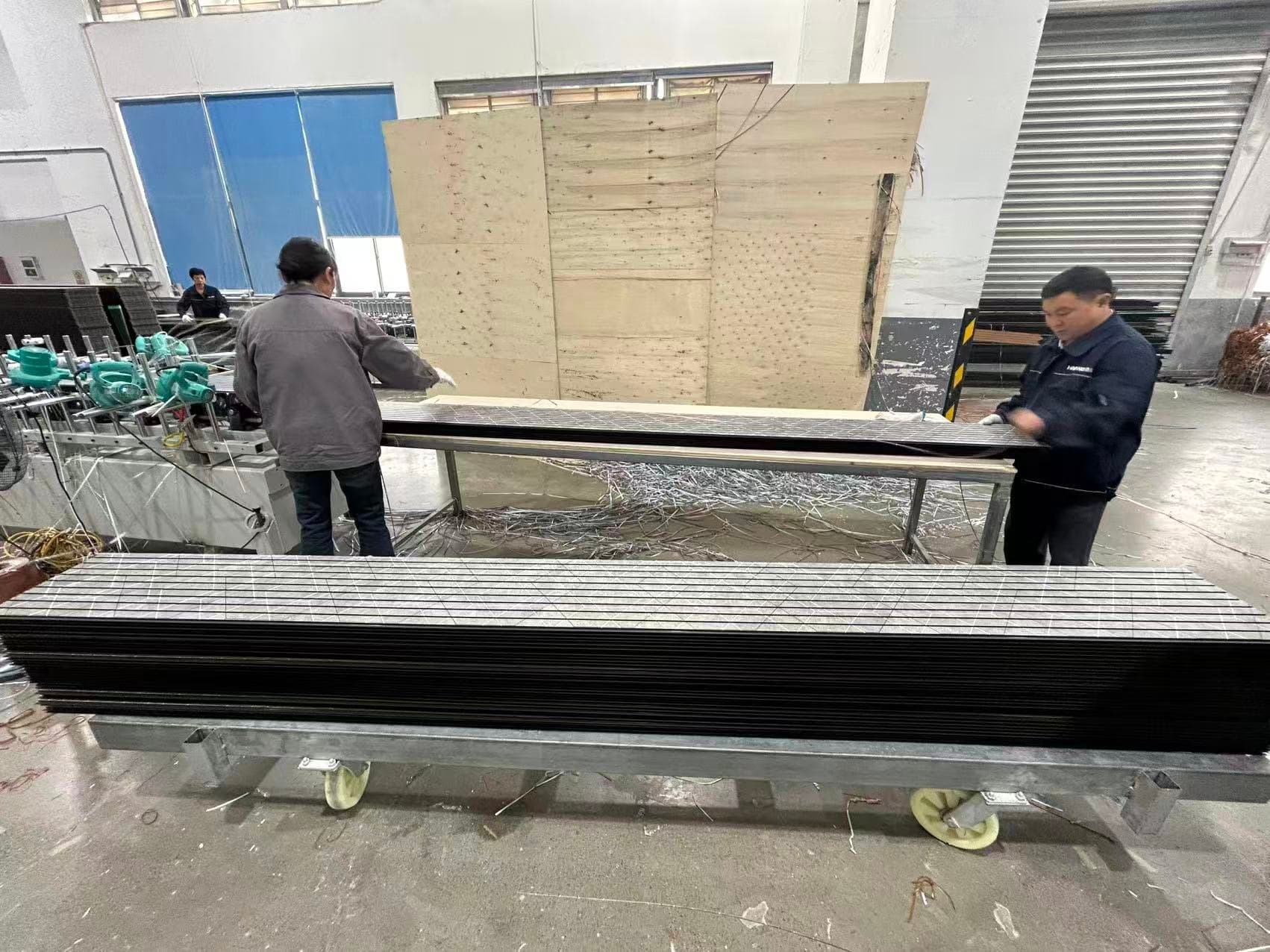
Installing PVC ceiling panels is a straightforward process but requires preparation and the right tools. This guide helps distributors train their installers and set clear expectations with the end customer.
The terms below are confirmed starting points. The quotation, availability and approved sample govern each order.
1. Required tools
Before starting installation, the installer should have all tools ready. Missing proper tools is the most common cause of poor installation quality.
- Measuring tape and marking pencil
- Hand saw or power saw with fine-tooth blade
- Drill with plastic-rated bit
- Bubble or laser level
- Screw gun or screwdriver
- Screws with washers (manufacturer-recommended)
- Edge and corner profiles (if applicable)
- Contact adhesive (optional for reinforcement)
2. Ceiling preparation
The ceiling surface should be clean, dry and as flat as possible. If the ceiling has beams or an irregular structure, install a supporting frame (metal or wood profiles) at a uniform spacing first.
- Verify the surface is dry and dust-free
- Measure and mark the position of support profiles
- Confirm the spacing between profiles does not exceed 60 cm
- Check for wiring or pipes in the screw zone
3. Installation steps
The tongue-and-groove system allows each panel to connect with the previous one. Screws are placed in the groove, so the next panel conceals them.
- Step 1: Fix the first panel at one end, screwing through the groove
- Step 2: Insert the next panel by sliding the tongue into the groove
- Step 3: Screw the panel through the concealed groove
- Step 4: Repeat until the row is complete
- Step 5: Cut the last panel to the required size
- Step 6: Install edge and corner profiles
4. Estimated time per m²
Installation time depends on installer experience, ceiling complexity and prior preparation. The following are reference times for distributors, not guarantees for the end customer.
- Experienced installer, flat ceiling: 5-8 min/m²
- Intermediate installer, flat ceiling: 8-12 min/m²
- Ceiling with corners or obstacles: +30-50% base time
- First project for a new installer: allow 15-20 min/m²
5. Common mistakes to avoid
These are the most frequent mistakes distributors should communicate to their installers to reduce returns and complaints.
- Screwing outside the groove: screws become visible
- Not leaving expansion gap: panels may warp with temperature changes
- Using screws without washers: the head pierces through the plastic
- Installing on a damp surface: mold may appear behind the panel
- Cutting without measuring twice: material waste
6. Tip for distributors
A distributor selling PVC ceiling panels should offer a brief installation guide in the target market's language. This reduces complaints and differentiates the distributor from competitors.
- Include a 1-2 page printed guide with each order
- Offer basic training for local installers
- Provide screws and accessories alongside panels
- Keep physical samples for installers to practice before the real project